FemiPro Review 2026Pros, Cons and Real Feedback
 |Medically Reviewed by Editorial Team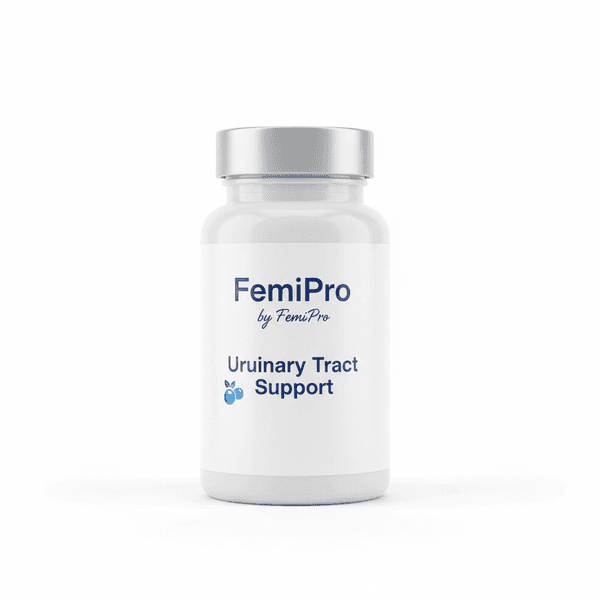
FemiPro is a urinary tract support formula built around D-Mannose, Cranberry Extract (PACs), Lactobacillus Rhamnosus and Lactobacillus Reuteri. Below is what is actually in it, what those ingredients are understood to do, and the kind of person it suits. It will not suit everyone, and we say so where that is the case.
90-Day Guarantee
Free Shipping
Secure Checkout
On this page
Score Breakdown
Pros & Cons
Pros
- Formulated with scientifically supported ingredients.
- Helps prevent bacterial adhesion in the urinary tract.
- Supports a healthy balance of microflora.
- Convenient daily supplement for proactive health.
Cons
- May not be suitable for individuals with specific allergies to listed ingredients.
- Effectiveness can vary based on the severity and frequency of urinary issues.
Who Is This For?
Recommended For:
FemiPro is a good fit if you are:
- Women experiencing recurrent urinary tract discomfort or those seeking preventative urinary health support.
Not Recommended For:
Worth a word with your doctor first if you are:
- anyone pregnant, breastfeeding, or under 18
- anyone on prescription medication, until a pharmacist has seen the ingredient list
Summary
The ingredient doing most of the work here is Vitamin C. An essential water-soluble antioxidant and enzyme cofactor, required for collagen hydroxylation, carnitine synthesis and noradrenaline synthesis, and it regenerates vitamin E. Research on it tends to show an effect from around 75-90 mg/day (RDA), which is the figure worth holding in mind when you read any label in this category.
What it has going for it: formulated with scientifically supported ingredients, Helps prevent bacterial adhesion in the urinary tract, Supports a healthy balance of microflora and Convenient daily supplement for proactive health. The main thing to weigh against that is that may not be suitable for individuals with specific allergies to listed ingredients, which is worth knowing before you order rather than after.
One thing to be straight about: FemiPro does not publish per-serving amounts for its ingredients, so there is no way to check any of them against the research. That is common in this category rather than unusual, but it is the difference between a formula you can assess and one you take on trust.
Ingredient Breakdown
FemiPro lists 5 ingredients. Here is what the research says about the ones that carry the formula.
Vitamin C. Vitamin C is in a large share of the catalogue, usually at doses far above the 75-90 mg daily requirement. An essential water-soluble antioxidant and enzyme cofactor, required for collagen hydroxylation, carnitine synthesis and noradrenaline synthesis, and it regenerates vitamin E. Trials generally start to see an effect from about 75-90 mg/day (RDA).
The formula also contains D-Mannose, Cranberry Extract (PACs), Lactobacillus Rhamnosus and Lactobacillus Reuteri. These have less human research behind them than the ingredients above, so treat them as supporting rather than as the reason to buy.
What FemiPro does not tell you
FemiPro names its ingredients but publishes no amount for any of them, so there is nothing here to check against the research.
Amounts are taken from the manufacturer’s own supplement facts panel. Where a label states a standardisation, the active fraction is what we compare, because the active is what the trials measured.
Quality & Testing
FemiPro does not state that it is independently tested. That is not the same as saying it failed a test, since most brands in this category simply do not commission one, but it does mean nobody outside the company has verified what is in the bottle. It is manufactured in European Union. Any supplement sold in the US has to be produced under 21 CFR 111, the FDA's manufacturing rules. Brands often present that as a distinction; it is the legal floor. A certification from a named independent body such as NSF or USP is the thing that actually separates one manufacturer from another, and we only note it where a brand claims it.
Value for Money
FemiPro does not publish a standing price on its own page. The figure moves with whichever bundle is being promoted that week, which is normal for direct-to-consumer supplements and makes a like-for-like comparison awkward.
The question worth asking is not what a bottle costs but what a day costs, and whether the ingredients you are paying for are present in amounts that do anything. In urinary tract support the price range is wide and it correlates poorly with formula quality: some of the most expensive options here are the least specific about what is inside them.
If you are comparing FemiPro against something else, compare the named active ingredients first and the headline price second.
Side Effects & Safety
FemiPro is generally well tolerated. Nothing in it is unusual for the category, and most people take it without noticing anything beyond what they were hoping for. The points below are the ones worth being aware of rather than reasons to avoid it.
Vitamin C. Diarrhoea, nausea and abdominal cramping above about 2,000 mg/day, from unabsorbed ascorbate drawing water into the bowel.
Worth checking. Increases iron absorption, which is useful in deficiency and unhelpful in haemochromatosis.
As with any supplement, start at the stated serving and give it a week before you judge how it sits with you. If you take prescription medication, show the ingredient list to a pharmacist first.
Final Verdict
Our Verdict
FemiPro provides a robust, natural solution for women seeking to maintain urinary tract health and prevent discomfort. Its blend of D-Mannose, cranberry, and probiotics offers a multi-faceted approach to support bladder function and well-being.
Best For:
Compare Similar Products
View all Urinary Tract Support→Other top-scoring picks in the same category, ranked by our independent methodology.

Uticarin
7.0/10Natural urinary tract health support formula
FlushFactor Plus
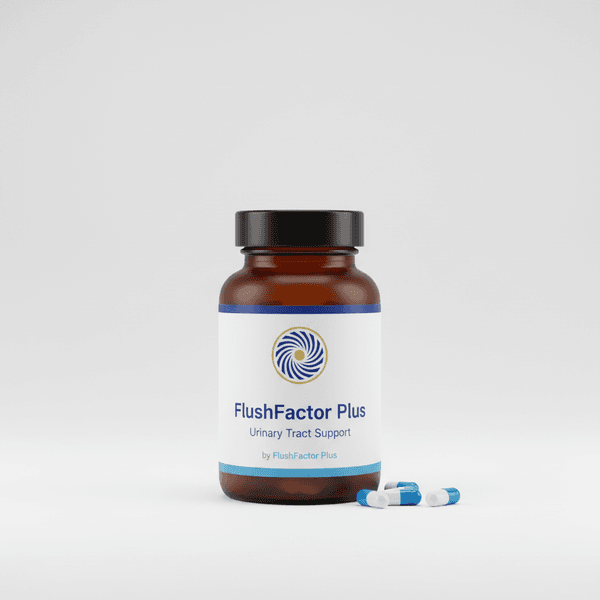
6.0/10FlushFactor Plus supports urinary tract health with D-Mannose and Cranberry Extract to help maintain bladder balance and prevent discomfort.
Kidney Solution
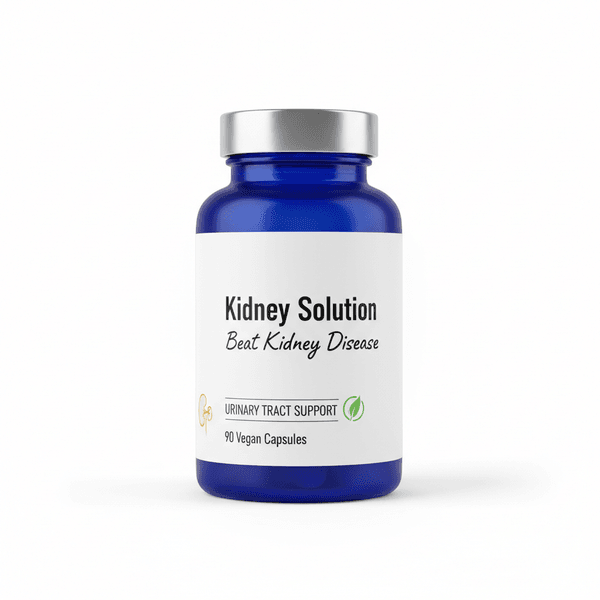
5.8/10Kidney Solution supports urinary tract health and kidney function with a blend of natural ingredients like cranberry and dandelion root.
Frequently Asked Questions
Medical Disclaimer
The content on this page is for informational purposes only and is not intended as medical advice, diagnosis, or treatment. Always consult your physician or qualified healthcare provider before starting any new supplement regimen. Individual results may vary.