Berberine Supplement Review 2026An Honest Look at the Label
by Berberine
 |Medically Reviewed by Editorial Team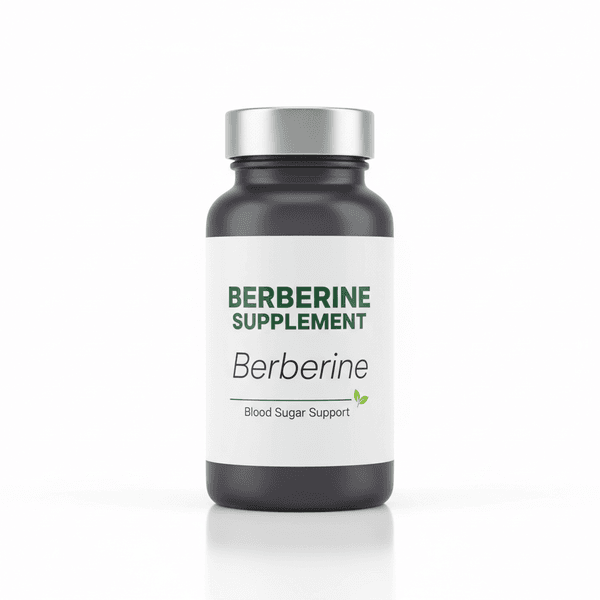
Berberine Supplement is a blood sugar formula built around Berberine HCl, Cinnamon Extract, Chromium Picolinate and Bitter Melon Extract. Below is what is actually in it, what those ingredients are understood to do, and the kind of person it suits. It will not suit everyone, and we say so where that is the case.
90-Day Guarantee
Free Shipping
Secure Checkout
On this page
Score Breakdown
Pros & Cons
Pros
- Supports healthy blood sugar levels.
- Enhances insulin sensitivity and cellular uptake of glucose.
- May aid in weight management and improve lipid profiles.
- Offers antioxidant and anti-inflammatory benefits.
Cons
- May cause digestive upset in some individuals.
- Not recommended for pregnant or breastfeeding women.
Who Is This For?
Recommended For:
Berberine Supplement is a good fit if you are:
- Individuals seeking natural support for blood sugar management and metabolic health.
Not Recommended For:
Worth a word with your doctor first if you are:
- anyone on prescription medication, because berberine inhibits the CYP450 enzymes that clear a long list of drugs
- anyone pregnant, breastfeeding, or under 18
- anyone on prescription medication, until a pharmacist has seen the ingredient list
Summary
The ingredient doing most of the work here is Berberine. Berberine activates AMP-activated protein kinase (AMPK), the cellular energy sensor that improves glucose uptake into peripheral tissues, increases fatty acid oxidation, and reduces hepatic gluconeogenesis. Research on it tends to show an effect from around 1,000 mg/day (split doses), which is the figure worth holding in mind when you read any label in this category.
What it has going for it: supports healthy blood sugar levels, Enhances insulin sensitivity and cellular uptake of glucose, May aid in weight management and improve lipid profiles and Offers antioxidant and anti-inflammatory benefits. The main thing to weigh against that is that may cause digestive upset in some individuals, which is worth knowing before you order rather than after.
One thing to be straight about: Berberine Supplement does not publish per-serving amounts for its ingredients, so there is no way to check any of them against the research. That is common in this category rather than unusual, but it is the difference between a formula you can assess and one you take on trust.
Ingredient Breakdown
Berberine Supplement lists 5 ingredients. Here is what the research says about the ones that carry the formula.
Berberine. Berberine is an alkaloid from goldenseal, barberry, and several other plants. Berberine activates AMP-activated protein kinase (AMPK), the cellular energy sensor that improves glucose uptake into peripheral tissues, increases fatty acid oxidation, and reduces hepatic gluconeogenesis. Trials generally start to see an effect from about 1,000 mg/day (split doses).
Cinnamon. Cinnamon appears throughout the blood-sugar products we review, and which species is in the capsule matters more than the dose. Cinnamaldehyde and polyphenolic type-A polymers are the proposed actives, said to improve insulin receptor signalling and slow gastric emptying. Trials generally start to see an effect from about 1 g/day.
Chromium Picolinate. Chromium is a trace mineral that appears in most blood-sugar and appetite formulas we review, usually as the picolinate salt. Trivalent chromium is thought to potentiate insulin signalling, historically via a low-molecular-weight chromium-binding substance that enhances insulin receptor kinase activity. Trials generally start to see an effect from about 200 mcg/day.
Bitter Melon. Bitter melon is a staple of blood-sugar formulas, and the meta-analyses on it disagree with each other in an instructive way. Charantin, polypeptide-p and vicine are the named constituents. The human evidence for it is limited.
Alpha-Lipoic Acid. Alpha-lipoic acid has a clinical record most supplement ingredients do not: a named series of randomised trials, ALADIN, SYDNEY, ORPIL and NATHAN, testing it in diabetic peripheral neuropathy. A mitochondrial cofactor for pyruvate dehydrogenase and both a water- and fat-soluble antioxidant, which lets it act in membranes and cytosol alike. Trials generally start to see an effect from about 300 mg/day.
What Berberine Supplement actually contains
| Ingredient | On the label | In the trials |
|---|---|---|
| Berberine | 1500 mg | 1000 mg150% |
Amounts are taken from the manufacturer’s own supplement facts panel. Where a label states a standardisation, the active fraction is what we compare, because the active is what the trials measured.
Quality & Testing
Berberine Supplement does not state that it is independently tested. That is not the same as saying it failed a test, since most brands in this category simply do not commission one, but it does mean nobody outside the company has verified what is in the bottle. It is manufactured in European Union. Any supplement sold in the US has to be produced under 21 CFR 111, the FDA's manufacturing rules. Brands often present that as a distinction; it is the legal floor. A certification from a named independent body such as NSF or USP is the thing that actually separates one manufacturer from another, and we only note it where a brand claims it.
Value for Money
Berberine Supplement does not publish a standing price on its own page. The figure moves with whichever bundle is being promoted that week, which is normal for direct-to-consumer supplements and makes a like-for-like comparison awkward.
The question worth asking is not what a bottle costs but what a day costs, and whether the ingredients you are paying for are present in amounts that do anything. In blood sugar the price range is wide and it correlates poorly with formula quality: some of the most expensive options here are the least specific about what is inside them.
If you are comparing Berberine Supplement against something else, compare the named active ingredients first and the headline price second.
Side Effects & Safety
Berberine Supplement is generally well tolerated. Nothing in it is unusual for the category, and most people take it without noticing anything beyond what they were hoping for. The points below are the ones worth being aware of rather than reasons to avoid it.
Berberine. GI upset is the main issue, diarrhea, cramping, nausea, especially during the first week.
Cinnamon. Well tolerated as a food.
Worth checking. Significant CYP3A4 inhibition, can affect statins, calcium channel blockers, immunosuppressants, and many other medications metabolised by this pathway.
As with any supplement, start at the stated serving and give it a week before you judge how it sits with you. If you take prescription medication, show the ingredient list to a pharmacist first.
Final Verdict
Our Verdict
Berberine offers a powerful, natural approach to managing blood sugar levels and improving metabolic function. Its multifaceted benefits make it a worthy consideration for those seeking a holistic health solution.
Best For:
Compare Similar Products
View all Blood Sugar→Other top-scoring picks in the same category, ranked by our independent methodology.

NuviaLab Sugar Control
8.9/10Natural blood sugar management support formula
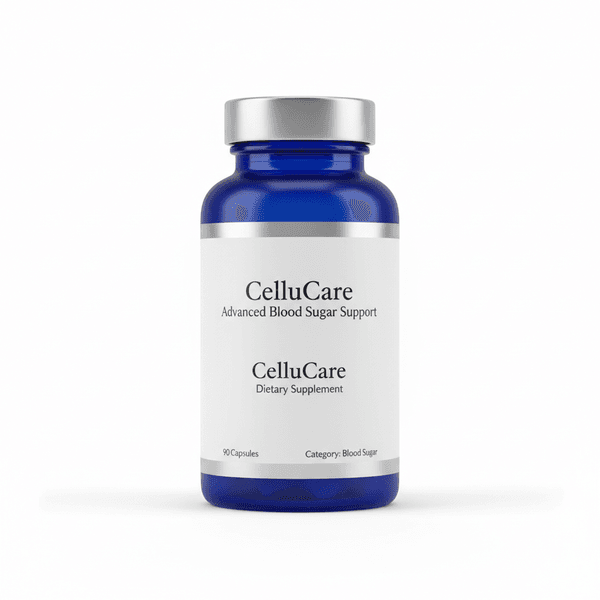
CelluCare
7.9/10CelluCare is a natural supplement designed to help maintain healthy blood sugar levels and support balanced glucose metabolism for sustained energy.
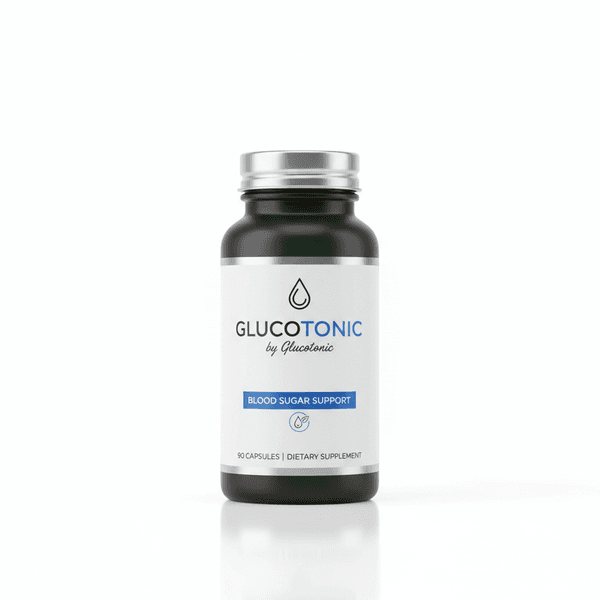
Glucotonic
7.5/10Glucotonic supports healthy blood sugar levels and glucose metabolism with a blend of natural ingredients. Ideal for proactive health management.
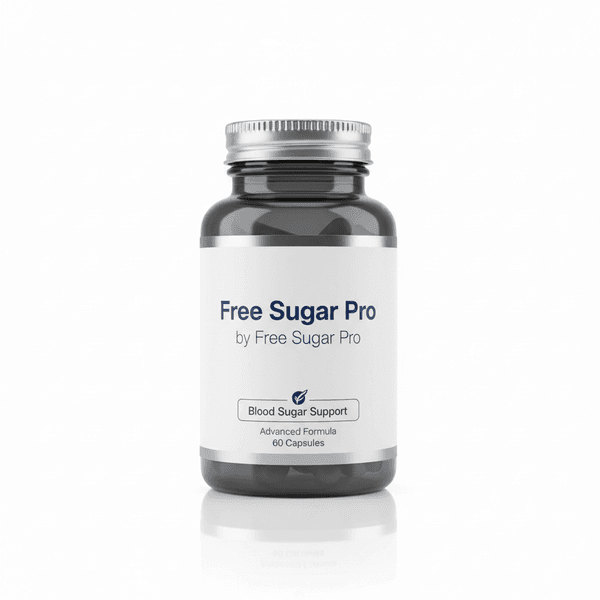
Free Sugar Pro
7.2/10Free Sugar Pro is a natural supplement that supports healthy blood sugar metabolism and aiming to maintain balanced glucose levels.
Frequently Asked Questions
Medical Disclaimer
The content on this page is for informational purposes only and is not intended as medical advice, diagnosis, or treatment. Always consult your physician or qualified healthcare provider before starting any new supplement regimen. Individual results may vary.
Sources & References
- Yin J et al. 2008. Berberine and metformin comparison in type 2 diabetes. Metabolism.
- Lan J et al. 2015. Berberine for type 2 diabetes meta-analysis. J Ethnopharmacol.
- Wei W et al. 2012. Berberine and PCOS. Eur J Endocrinol.
- 2023. The effect of cinnamon on glycolipid metabolism: a dose-response meta-analysis of randomized controlled trials.
- 2021. Impact of cassia bark consumption on glucose and lipid control in type 2 diabetes: updated systematic review and meta-analysis.
- 2022. Coumarin-induced hepatotoxicity: a narrative review.
- Althuis MD et al. 2002. Glucose and insulin responses to dietary chromium supplements: a meta-analysis. Am J Clin Nutr.
- 2021 systematic review and meta-analysis. Chromium supplementation on blood glucose and lipids in type 2 diabetes.